Chronic Venous Insufficiency: Symptoms, Causes, Stages, and Treatment
Chronic venous insufficiency (CVI) is a common condition that affects the way blood travels from the legs back toward the heart. When the valves inside the leg veins do not work properly, blood can flow backward and collect in the lower extremities. Over time, this can increase pressure inside the veins and contribute to swelling, discomfort, varicose veins, skin changes, and chronic wounds.
For people living in Southern California, understanding the early signs of venous insufficiency can make it easier to recognize when a persistent leg problem may require professional evaluation.
What Is Chronic Venous Insufficiency?
Healthy leg veins contain small valves that help blood move upward against gravity. These valves open as blood travels toward the heart and close to prevent it from flowing backward.
With chronic venous insufficiency, the valves may become weakened or damaged. Blood can then move in the wrong direction and accumulate in the legs. This condition is sometimes referred to as venous reflux.
At first, the symptoms may be relatively mild. A person might notice that their legs feel tired or heavy after standing for several hours. As venous disease progresses, however, swelling, varicose veins, skin discoloration, and other changes may become more noticeable.
What Causes Chronic Venous Insufficiency?
There is no single cause of chronic venous insufficiency. Age is one factor because the veins and their valves can become less effective over time. Genetics can also play a role, particularly if close family members have had varicose veins or other venous problems.
Daily habits and certain medical conditions can also affect the veins. Spending many hours standing or sitting can make it harder for blood to return efficiently from the legs. Pregnancy, excess weight, and a previous deep vein thrombosis can also increase the risk of developing chronic venous problems.
Not everyone with these risk factors will develop CVI, but people who have several risk factors may benefit from paying closer attention to persistent changes in their legs.
What Are the Symptoms of Chronic Venous Insufficiency?
The symptoms of chronic venous insufficiency can vary considerably from person to person. Some people primarily notice visible veins, while others experience discomfort or swelling before significant changes become apparent.
A common complaint is that the legs feel heavy, tired, or achy, particularly toward the end of the day. Swelling around the ankles and lower legs may also become more noticeable after prolonged standing or sitting. Some people experience itching, burning, or a feeling of pressure in the affected area.
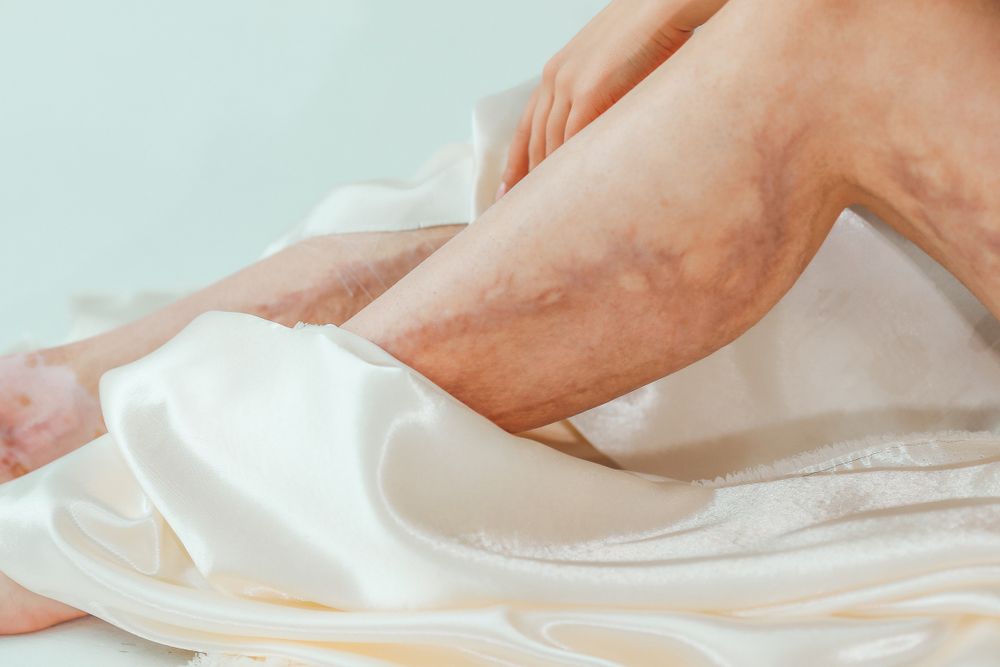
As venous disease progresses, varicose veins may become more prominent. Changes in the skin around the ankles and lower legs can also develop, including darkening, irritation, dryness, or thickening.
These symptoms do not necessarily mean that a person has chronic venous insufficiency. Leg swelling and pain can have many different causes, which is why persistent or unexplained symptoms should be evaluated by a healthcare professional.
Can Chronic Venous Insufficiency Cause Leg Swelling?
Yes. Swelling is one of the common symptoms associated with venous insufficiency.
When blood begins to pool in the lower legs, pressure inside the veins increases. This can cause fluid to move into the surrounding tissues, resulting in swelling around the ankles, feet, or lower legs.
Some people notice that the swelling improves after sleeping or elevating their legs but returns during the day. If swelling becomes persistent or progressively worse, it is important not to assume that venous disease is the only possible explanation. A medical evaluation can help identify the underlying cause.
How Does Venous Insufficiency Affect the Skin?
Long-term increased pressure in the veins can affect the tissues surrounding them. One of the more noticeable signs of progressing venous disease can be a change in the appearance or texture of the skin.
The skin around the lower legs and ankles may become darker, irritated, dry, or thicker. Some patients develop areas of inflammation or hardened tissue. These changes can be particularly important when they occur alongside swelling and varicose veins.
Skin changes should not simply be considered a cosmetic issue. In some cases, they can indicate that venous disease has been present for an extended period and may require further evaluation.
Can Chronic Venous Insufficiency Cause Leg Ulcers?
In more advanced cases, chronic venous insufficiency can contribute to the development of venous leg ulcers.
These wounds often appear around the ankle or lower portion of the leg and may be slow to heal. Persistent venous pressure can interfere with the normal condition of the surrounding tissues and make wound healing more difficult.
A wound that remains open or repeatedly returns deserves medical attention, particularly when it occurs alongside swelling, varicose veins, or skin discoloration. Treating the wound itself may not be enough if an underlying venous problem is contributing to poor healing.
What Are the Stages of Chronic Venous Insufficiency?
Venous disease can range from relatively minor visible veins to more advanced symptoms involving significant skin changes and ulcers.
In earlier stages, a person may notice spider veins or varicose veins without experiencing major symptoms. As the condition progresses, swelling and skin changes may develop. In advanced cases, patients can experience significant tissue changes or venous ulcers.
Not everyone follows the same progression. Having varicose veins does not mean that someone will inevitably develop an ulcer or severe venous disease. However, worsening symptoms or new skin changes are good reasons to seek an evaluation.
How Is Chronic Venous Insufficiency Diagnosed?
Diagnosis usually begins with a discussion about symptoms and medical history, followed by a physical examination of the legs.
A specialist may want to know when the symptoms began, whether they become worse at certain times of day, and whether the patient has experienced previous blood clots, vein problems, or similar conditions in their family.
Duplex ultrasound is commonly used when a more detailed assessment of the veins is necessary. The test can provide information about blood flow and help identify abnormal venous reflux or other problems affecting circulation.
The results of the examination and imaging can help determine whether venous insufficiency is contributing to the patient's symptoms and whether treatment may be appropriate.
How Is Chronic Venous Insufficiency Treated?
Treatment depends on the severity of the condition and the specific veins involved. For some patients, conservative measures may be enough to manage symptoms. These can include regular physical activity, avoiding long periods in one position, elevating the legs when appropriate, and maintaining a healthy weight.
Compression therapy may also be recommended for certain patients. Compression garments can help support venous blood flow and reduce swelling, although they are not appropriate for everyone. A healthcare professional can determine whether compression is suitable based on the patient's overall circulation and medical history.
When an abnormal vein is contributing significantly to symptoms, a minimally invasive procedure may be considered. Depending on the patient's anatomy and diagnosis, treatment options can include radiofrequency ablation, endovenous laser treatment, sclerotherapy, or injectable treatments such as Varithena.
For patients looking for specialized vein and wound care in Southern California, Vein & Wound Surgery Specialists provides evaluation and treatment for venous conditions and related wound problems.
What Is Radiofrequency Ablation?
Radiofrequency ablation is a minimally invasive procedure used to treat certain problematic veins.
During the procedure, a thin catheter is placed inside the affected vein, typically using ultrasound guidance. Controlled radiofrequency energy is then used to heat the vein wall and close the vessel.
Once the treated vein is closed, blood can be redirected through healthier veins. Whether this procedure is appropriate depends on the patient's individual anatomy, symptoms, and diagnostic findings.
Can Chronic Venous Insufficiency Be Cured?
Chronic venous insufficiency is generally considered a long-term condition, but its symptoms can often be managed and specific problematic veins can be treated.
Lifestyle measures may help reduce symptoms, while procedures can address veins that are contributing to abnormal blood flow. However, treating one vein does not necessarily eliminate the underlying tendency to develop venous disease.
For this reason, patients with established venous problems may benefit from ongoing attention to their symptoms and follow-up care when recommended by their healthcare provider.
Chronic Venous Insufficiency and Wound Healing
One of the most important connections between venous disease and wound care is the effect that poor venous circulation can have on healing.
A wound on the lower leg that would normally heal without difficulty may become chronic when underlying venous hypertension is present. This is particularly relevant for wounds around the ankles and lower legs.
If a small cut continues to remain open, becomes increasingly irritated, or repeatedly returns, the underlying cause should be investigated. Treating the wound while also addressing a contributing venous problem can be an important part of long-term care.
When Should You See a Vein Specialist?
Persistent leg symptoms should not automatically be attributed to aging, standing at work, or simply being tired.
If you regularly experience swelling, aching, heaviness, enlarging varicose veins, skin discoloration, or a wound that does not seem to heal normally, consider discussing these symptoms with a healthcare professional.
Sudden swelling in one leg accompanied by significant pain, warmth, redness, or other concerning symptoms requires prompt medical attention because these symptoms can have causes that need urgent evaluation.
Chronic Venous Insufficiency in Older Adults
The likelihood of developing venous problems increases with age, but persistent leg symptoms should not simply be considered a normal part of getting older.
Older adults may also have other health conditions or take medications that can contribute to swelling and circulation problems. A proper evaluation can help distinguish chronic venous insufficiency from other potential causes.
Identifying venous disease earlier may also provide more opportunities to manage symptoms before significant skin changes or wounds develop.
Frequently Asked Questions
What is the most common symptom of chronic venous insufficiency?
Common symptoms include leg swelling, aching, heaviness, tiredness, and visible varicose veins. Some people notice that their symptoms become more pronounced later in the day or after prolonged standing.
Can chronic venous insufficiency cause swollen ankles?
Yes. Increased pressure within the leg veins can contribute to fluid accumulation around the ankles and lower legs. However, persistent ankle swelling can have many causes and should be evaluated rather than automatically attributed to venous disease.
Is chronic venous insufficiency the same as varicose veins?
No. Varicose veins are enlarged and twisted veins that can be a visible sign of venous disease. Chronic venous insufficiency refers to impaired function of the veins and their valves. A person may have venous insufficiency with or without prominent varicose veins.
Can chronic venous insufficiency cause ulcers?
Yes. Advanced venous disease can contribute to venous leg ulcers, particularly around the lower leg and ankle. These wounds can be difficult to heal if the underlying venous problem is not addressed.
Can walking help chronic venous insufficiency?
Walking activates the calf muscles, which help move blood upward through the veins. Regular physical activity can therefore support healthy circulation and may help manage some symptoms. The appropriate level of activity depends on the individual's overall health.
Does chronic venous insufficiency get worse over time?
It can. Some patients experience progressively increasing swelling, skin changes, discomfort, or wounds. Early evaluation can help identify the underlying problem and determine whether treatment or ongoing management may be appropriate.
When to Consider an Evaluation
Chronic venous insufficiency can begin with subtle symptoms that are easy to overlook. A feeling of heavy legs at the end of the day or occasional ankle swelling may seem minor, but persistent or worsening symptoms deserve attention.
If you live in Downey or elsewhere in Southern California and are experiencing ongoing leg swelling, discomfort, visible varicose veins, skin changes, or a slow-healing wound, a professional evaluation can help determine whether a venous condition may be contributing to the problem.