Outdoor Fitness Activities Texans Love
Outdoor recreation is a major part of everyday life in Texas. Across the state, residents and visitors take advantage of state parks, urban trails, wildlife refuges, and scenic preserves to stay active throughout the year. From sunrise hikes in the Hill Country to birdwatching walks along the Gulf Coast, Texas offers outdoor fitness opportunities for every skill level.
Programs like First Day Hikes, organized by Texas State Parks each New Year’s Day, highlight the growing popularity of hiking and outdoor fitness. Trails at destinations such as Enchanted Rock State Natural Area, Brazos Bend State Park, and Palo Duro Canyon State Park attract thousands of participants who start the year with a walk or hike in nature.
Whether you're exploring rugged canyon terrain, strolling along river trails, or joining a ranger-led nature walk, Texas provides countless ways to stay active outdoors.
First Day Hikes: A Popular New Year Tradition in Texas
Every year on January 1, Texas State Parks participate in the nationwide First Day Hikes program coordinated by America’s State Parks. These guided hikes encourage people to begin the new year with outdoor activity while learning about Texas landscapes and wildlife.
Many parks host ranger-led hikes ranging from short nature walks to longer trail excursions. Participants often receive trail information, wildlife education, and safety tips during these events.
The program continues to grow as more Texans look for ways to combine fitness, fresh air, and scenic exploration at the start of the year.
Popular Texas State Parks for Hiking and Outdoor Fitness
Several Texas state parks are especially well known for hiking, trail running, and nature walks.
Dinosaur Valley State Park, located near Glen Rose southwest of Fort Worth, features scenic trails along the Paluxy River, where visitors can also view preserved dinosaur tracks in the riverbed. The park offers several hiking routes ranging from easy riverside paths to longer backcountry trails.
In the Texas Panhandle, Palo Duro Canyon State Park provides one of the most dramatic hiking landscapes in the state. Known as the “Grand Canyon of Texas,” the park offers more than 30 miles of hiking, biking, and equestrian trails that wind through colorful canyon walls and desert terrain.
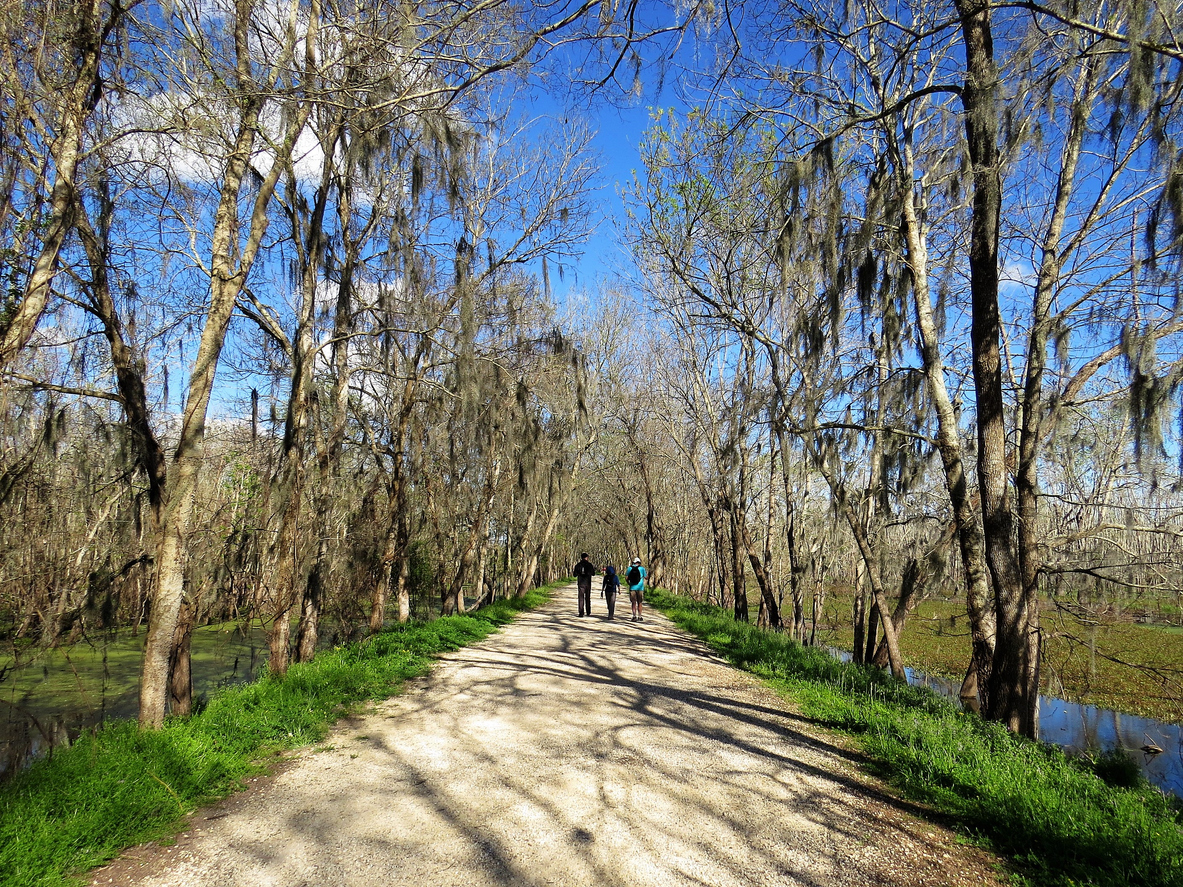
Near Houston, Brazos Bend State Park is famous for its wildlife and accessible trail network. The park’s flat trails circle lakes and wetlands, making it a favorite destination for walking, birdwatching, and photography.
These parks demonstrate the variety of outdoor fitness opportunities available across Texas.
Exploring Texas’s State and National Park Systems
Texas offers an extensive network of protected landscapes that encourage outdoor recreation.
The Texas State Parks system, managed by Texas Parks and Wildlife Department, includes more than 80 parks and historic sites that provide hiking trails, camping areas, scenic overlooks, and wildlife viewing opportunities. Parks such as Garner State Park, Enchanted Rock State Natural Area, and Palo Duro Canyon State Park attract visitors year-round.
Texas is also home to two national parks that offer some of the state’s most dramatic outdoor environments.
Big Bend National Park, located along the Rio Grande in West Texas, features desert landscapes, mountain trails, and one of the darkest night skies in North America.
Guadalupe Mountains National Park contains Guadalupe Peak, the highest point in Texas, along with rugged backcountry trails that challenge experienced hikers.
Together, these parks form the backbone of Texas’s outdoor recreation opportunities.
Sunrise Hikes, Birding Tours, and Self-Guided Nature Walks
Texas parks offer several types of outdoor programs that allow visitors to stay active while learning about the environment.
Sunrise hikes are popular in parks such as Enchanted Rock State Natural Area. Starting early in the morning allows hikers to avoid heat while enjoying panoramic views as the sun rises over the Hill Country.
Birding tours provide a slower-paced activity that combines gentle walking with wildlife observation. Parks such as Brazos Bend State Park and coastal refuges attract birdwatchers interested in spotting herons, egrets, migratory songbirds, and other species.
For families and casual visitors, self-guided nature walks along marked trails offer flexibility. Interpretive signs along these routes explain local plants, geology, and wildlife, turning a simple walk into an educational outdoor experience.
Planning Ranger-Led Hikes and Park Programs
Texas State Parks regularly offer ranger-led hikes, wildlife talks, and outdoor fitness programs throughout the year. Visitors can check upcoming events through the Texas Parks and Wildlife Department (TPWD) website or through individual park event calendars.
Many programs are included with regular park admission, although some specialized tours may require advance registration.
Planning ahead is helpful during peak seasons, particularly spring and fall, when mild weather attracts larger crowds to popular parks.
What to Pack for Winter and Early-Season Hiking in Texas
Although Texas winters are generally mild, temperatures can change quickly, especially in northern and western parts of the state.
Hikers should bring layered clothing that can be adjusted throughout the day. A light jacket, moisture-wicking base layer, and hat or buff help protect against cool morning temperatures and wind.
Hydration remains important even in winter. Carrying water, energy snacks, and a small first aid kit is recommended for longer hikes.
Other useful items include trail maps, sunscreen, sturdy footwear, and a flashlight or headlamp if starting a hike early in the morning.
Being prepared helps ensure a safe and enjoyable outdoor fitness experience on Texas trails.
Popular Urban Trails for Outdoor Fitness in Texas Cities
Outdoor fitness in Texas isn’t limited to remote parks. Major cities across the state have developed extensive urban trail systems that allow residents and visitors to exercise in scenic environments close to downtown districts.
In Dallas, the Katy Trail is one of the city’s most popular outdoor fitness routes. The paved 3.5-mile trail follows a former railroad corridor and is widely used for walking, jogging, and cycling. The path connects several neighborhoods and parks while providing shaded sections and public gathering spaces.
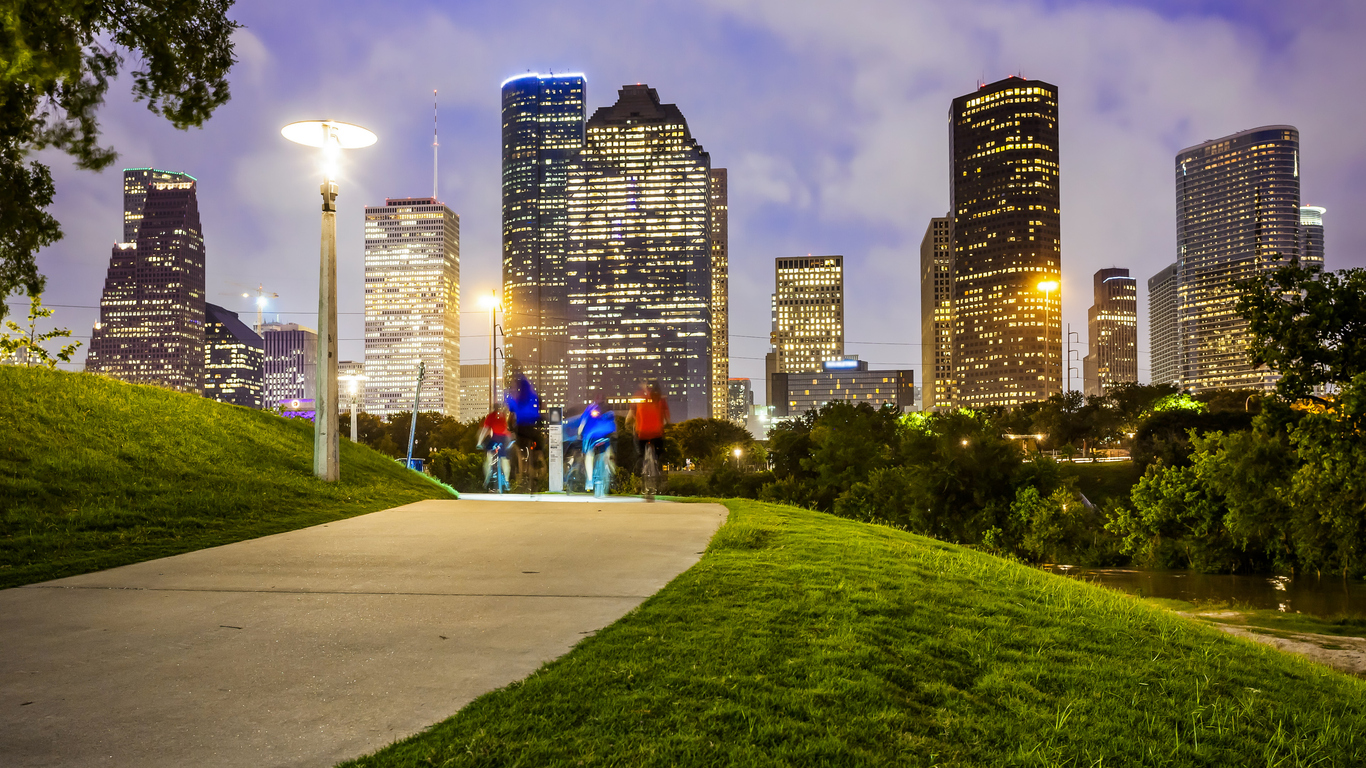
Houston’s Buffalo Bayou Park Trails run alongside the Buffalo Bayou west of downtown. The park features miles of paved paths that wind through green space, public art installations, and skyline viewpoints. These trails are heavily used by runners, cyclists, and recreational walkers throughout the year.
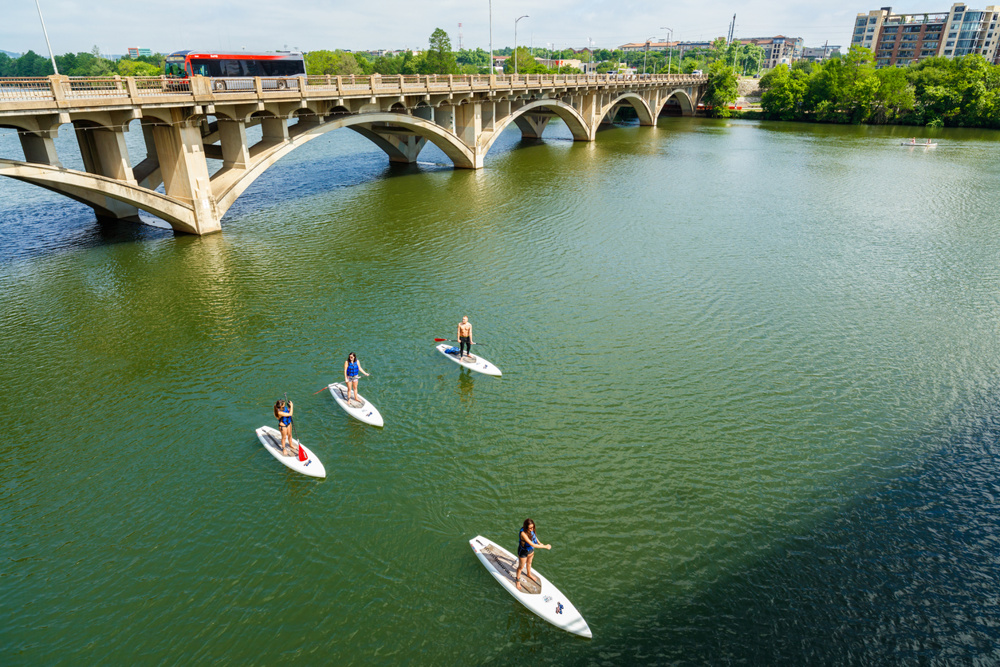
In Austin, the Lady Bird Lake Trail—often called the Ann and Roy Butler Hike-and-Bike Trail—circles the lake in the heart of the city. The roughly 10-mile loop offers scenic views of downtown Austin and is one of the busiest outdoor fitness destinations in Texas.
These urban trails make it easy for Texans to stay active without traveling far from the city.