Austin’s Outdoor Fitness Culture: Where to Train and Explore
Austin has built a national reputation as an active city where outdoor training, community fitness groups, and scenic natural spaces make exercise part of everyday life. Runners circle the lake before sunrise, cyclists ride Hill Country roads, and yoga groups gather in city parks at sunset.
The Ann and Roy Butler Hike-and-Bike Trail at Lady Bird Lake, Austin’s greenbelt networks, and dozens of parks provide year-round opportunities for running, hiking, cycling, climbing, and group fitness. Combined with a mild climate and strong wellness culture, these outdoor spaces help make Austin one of the most active cities in Texas.
The sections below highlight where locals train, explore, and stay active outdoors across the city.
Why Austin Ranks Among America’s Fittest Cities
Austin regularly appears in national fitness rankings thanks to its strong mix of parks, trails, gyms, and outdoor recreation opportunities. The American College of Sports Medicine (ACSM) American Fitness Index consistently places Austin among the healthier major U.S. cities based on factors such as physical activity levels, park access, and recreational infrastructure.
Residents benefit from a large park system, extensive trail networks, and easy access to outdoor spaces that support daily exercise.
The city’s wellness culture is reinforced by active communities including running clubs, cycling groups, yoga studios, and outdoor bootcamps. Many residents incorporate exercise into daily routines through trail running, paddleboarding, and outdoor group workouts.
Combined with Central Texas’s relatively mild winters and long daylight hours, Austin offers year-round opportunities for outdoor training and recreation.
Lady Bird Lake Trail: Austin’s Premier Outdoor Fitness Hub
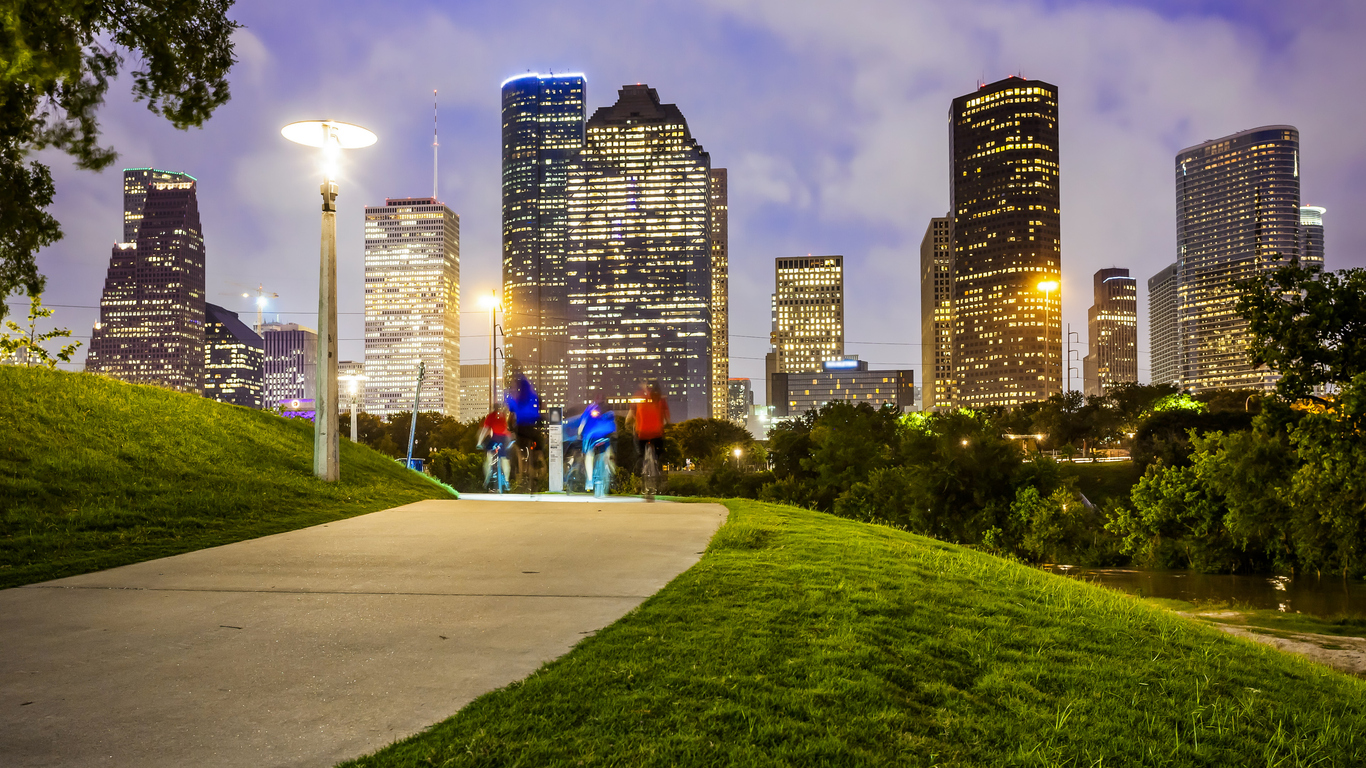
The Ann and Roy Butler Hike-and-Bike Trail, which circles Lady Bird Lake, is Austin’s most popular outdoor fitness destination. The roughly 10-mile loop connects downtown parks, bridges, and waterfront viewpoints while providing a scenic route for running, walking, and cycling.
The trail includes the well-known Boardwalk section, which extends over the water along the lake’s south shore and offers panoramic skyline views. Much of the trail surface is gravel or pavement, making it accessible for walkers, runners, and cyclists.
Millions of people use the trail each year, especially during early mornings and evenings when temperatures are cooler. Water fountains, restrooms, and shaded areas make it a practical location for longer workouts.
The trail also connects to nearby parks such as Auditorium Shores, Zilker Park, and Festival Beach, allowing visitors to combine workouts with lakeside relaxation.
Free Outdoor Fitness Equipment and Workout Zones in Austin
Several Austin parks feature public fitness equipment designed for calisthenics and strength training. These outdoor exercise stations allow residents to complete workouts without gym memberships.
Parks with outdoor fitness stations include Pease Park, Mueller Lake Park, and sections of the Shoal Creek Trail corridor. These installations often feature pull-up bars, dip stations, balance platforms, and stretching areas.
Because these workout zones are located near trails and open park spaces, many visitors combine bodyweight training with running or walking routines.
The combination of accessible equipment and scenic surroundings helps support Austin’s culture of outdoor exercise.
Top Austin Parks for Running, Walking, and Outdoor Training
Austin’s park system offers diverse terrain for runners and walkers ranging from flat urban paths to wooded trail networks.
Popular training locations include:
- Lady Bird Lake Trail – A scenic 10-mile loop through the heart of the city with skyline views and multiple bridge crossings.
- Walnut Creek Metropolitan Park – A large north Austin park featuring wooded running trails, paved paths, and mountain biking routes.
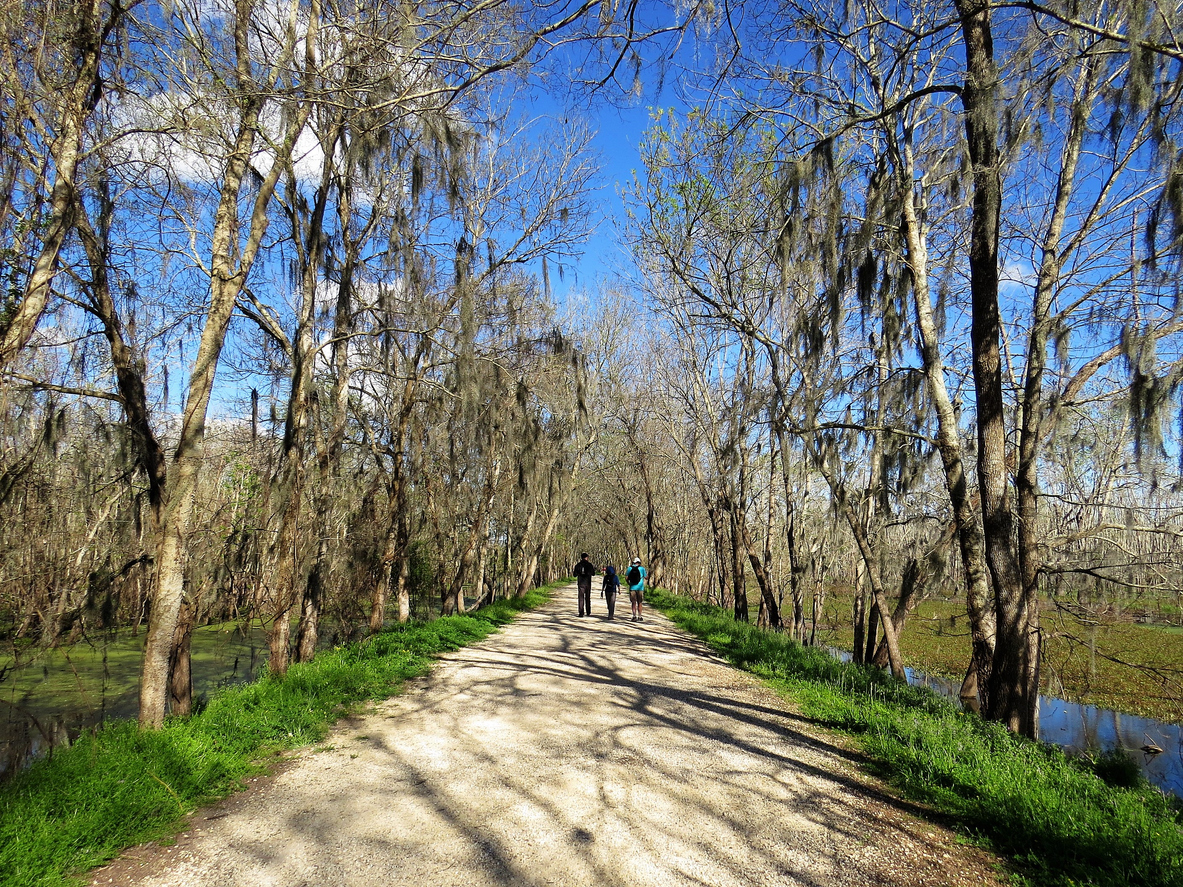
- Shoal Creek Trail – A shaded urban trail connecting downtown Austin to neighborhoods further north, popular with runners seeking a quieter route.
- Bull Creek District Park – Known for rocky creek beds and hiking trails, providing a more rugged workout environment.
- Violet Crown Trail – A developing regional trail that eventually will stretch more than 30 miles from Zilker Park into the Texas Hill Country.
These parks allow residents and visitors to choose between urban running routes, nature trails, and hill workouts.
Austin Rock Climbing Spots and Water Sports Venues
Austin’s outdoor fitness culture extends beyond running and cycling into climbing and water sports.
Indoor climbing gyms such as Austin Bouldering Project and Crux Climbing Center provide year-round climbing with bouldering walls, training areas, and yoga studios.
Outdoor climbing opportunities exist at Milton Reimers Ranch Park, located about 30 minutes west of Austin. The park features hundreds of sport climbing routes on limestone cliffs overlooking the Pedernales River.
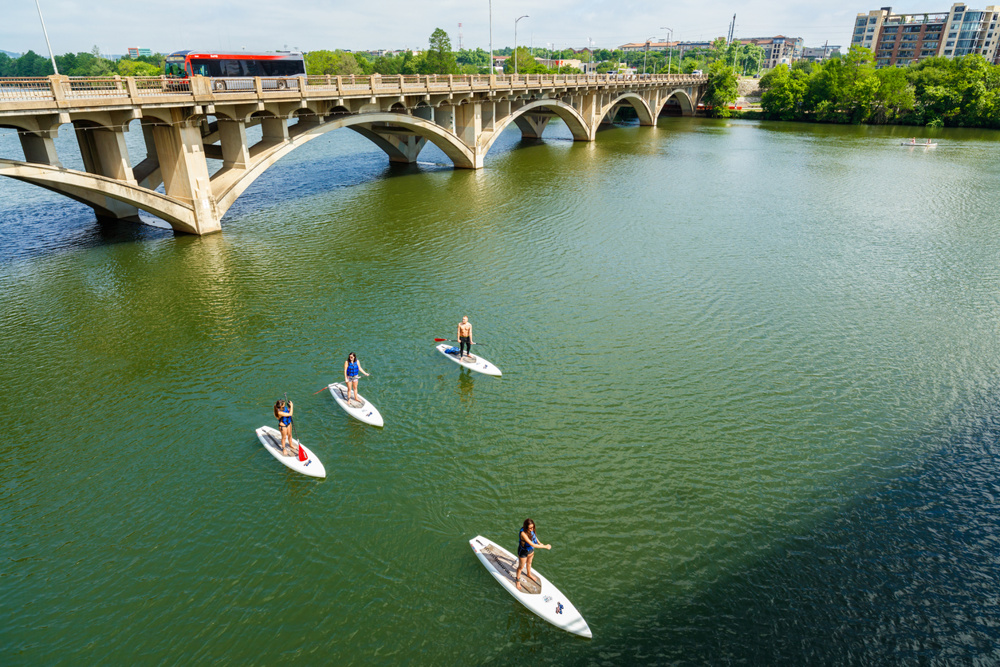
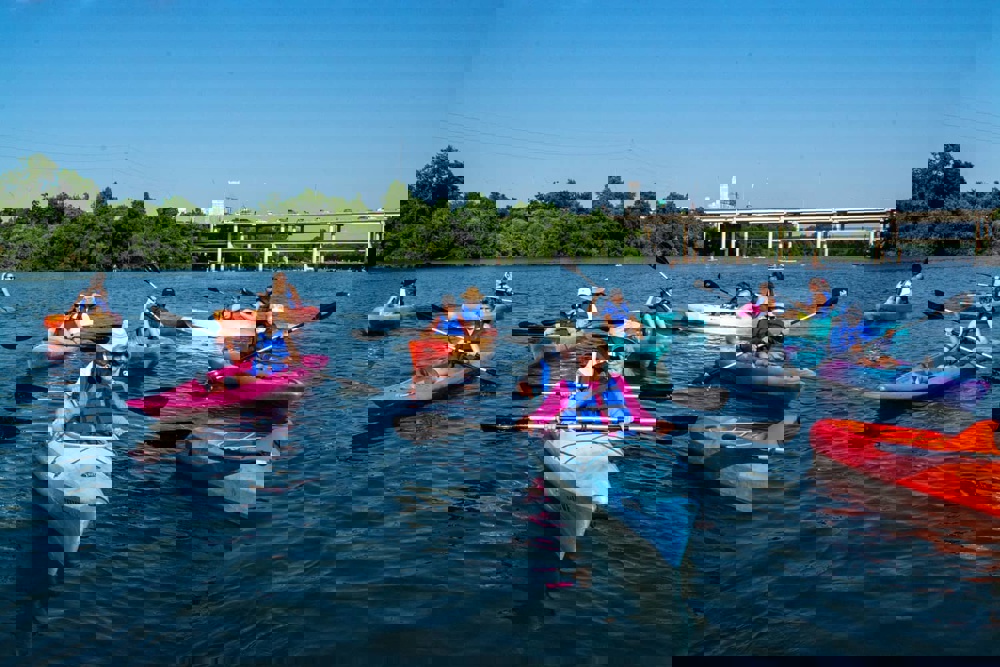
Austin’s lakes also support water-based fitness activities. Lady Bird Lake is a popular location for paddleboarding and kayaking because motorized boats are not allowed. Rentals are available from operators such as Texas Rowing Center and Rowing Dock.
These options give fitness enthusiasts opportunities to train both on land and on water throughout the year.
Outdoor Yoga Classes and Group Fitness Meetups in Austin
Outdoor yoga and group workouts are a major part of Austin’s fitness culture. Classes often take place in parks, plazas, and greenways throughout the city.
Locations that regularly host outdoor yoga sessions include Republic Square Park, Waterloo Greenway, and Zilker Park. Some programs are free community events, while others are organized by local yoga studios.
Seasonal wellness events also take place at locations such as the Lady Bird Johnson Wildflower Center, where outdoor yoga classes allow participants to practice surrounded by native Texas landscapes.
Group fitness communities are equally active. Running clubs, social cycling groups, and bootcamp workouts regularly meet along the lake trail or in city parks.
These gatherings reinforce Austin’s reputation for community-driven outdoor fitness.
Best Cycling and Mountain Biking Trails Around Austin
Cycling is one of the most popular outdoor activities in Austin thanks to a combination of scenic routes and dedicated cycling infrastructure.
The Veloway, located in southwest Austin, is a 3.1-mile paved loop reserved exclusively for cyclists and rollerbladers, with no cars or pedestrians allowed.
For mountain biking, Walnut Creek Metropolitan Park and the Barton Creek Greenbelt offer miles of natural single-track trails ranging from beginner routes to technical limestone terrain.
Road cyclists often ride scenic Hill Country roads west of Austin, where rolling terrain provides challenging training routes.
Austin’s expanding network of bike lanes and trails makes cycling a convenient way to explore the city while maintaining an active lifestyle.
Outdoor Fitness Options for Every Age Group and Budget
Austin’s outdoor fitness culture includes programs designed for residents of all ages and fitness levels.
Community organizations host outdoor bootcamps, walking groups, and yoga classes throughout the year. Programs such as Camp Gladiator regularly hold group workouts in parks across the city.
Families can participate in outdoor activities at parks like Pease Park, Zilker Park, and McKinney Falls State Park, where hiking trails and open fields allow for recreational play and exercise.
Older adults also benefit from walking groups, tai chi sessions, and low-impact fitness classes organized by community centers.
Because many activities take place in public parks, Austin offers numerous low-cost or free fitness opportunities.
Training Through Austin’s Heat: Summer Workout Timing Tips
Summer temperatures in Austin often reach the mid-90s°F or higher, making workout timing an important safety consideration.
Most outdoor athletes schedule training sessions early in the morning or near sunset to avoid the hottest part of the day.
Hydration is essential during summer workouts. Runners and cyclists frequently plan routes that include water fountains, shaded parks, or convenience stops.
Lightweight clothing, sunscreen, and frequent hydration help reduce the risk of heat-related illness during outdoor activities.
When temperatures become extreme, many athletes switch to indoor workouts during midday hours before returning outside in the evening.