How Pop Culture Changed the Way We Think About Fitness and Health
Pop culture has never simply reflected fitness—it has actively shaped how we understand it. What began as a set of physical activities has evolved into a cultural identity, influenced by media, celebrity, technology, and social behavior. Over time, exercise shifted from a functional necessity into something aspirational, visible, and deeply tied to self-image.
From the jogging boom of the 1970s to the aerobics craze of the 1980s, fitness became something people didn’t just do—they participated in as part of a shared cultural moment. Today, that influence has expanded through social media, where algorithms and influencers shape not only how people exercise, but how they define health itself. This transformation reveals a more complex story. Fitness is no longer just about movement or well-being—it is also about identity, visibility, and cultural expectation.
Fitness in Pop Culture: A Decades-Long Love Affair
Fitness and pop culture have been inseparable for decades, each pushing the other into living rooms, gyms, and everyday conversation. From the 1970s jogging boom to the aerobics craze of the 1980s, you've watched celebrity endorsements transform niche activities into cultural movements.
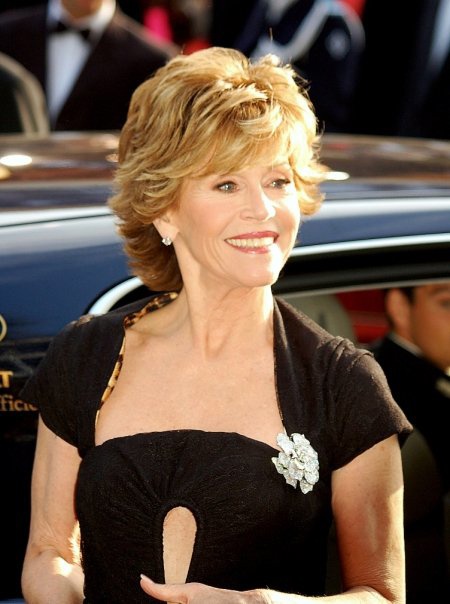
Jane Fonda's 1982 workout video didn't just sell tapes — it reshaped how you thought about exercise. Arnold Schwarzenegger's "Pumping Iron" pulled bodybuilding out of niche gyms and into mainstream ambition. Fitness fashion evolved alongside these shifts, with leotards, leg warmers, and tracksuits becoming cultural symbols, not just athletic gear.
Each decade introduced new icons, new formats, and new ideals. What started as movement became identity, and pop culture made sure you noticed every step of the way. The creation of the Jogbra in 1978 marked a pivotal moment in making fitness more accessible and practical for women across all levels of sport.
How Fitness Participation Has Climbed for Twenty Years
Over the past two decades, fitness has expanded into a global industry supported by widespread participation. Gym memberships, fitness clubs, and wellness services have grown steadily, reflecting increased interest in health and physical activity.
This growth is not limited to traditional gyms. Digital platforms, home workouts, and hybrid routines have made fitness more flexible and accessible. People are no longer tied to a single location—they can engage with fitness in multiple ways, depending on their schedule and preferences.
The expansion of infrastructure—both physical and digital—has reinforced this shift. Fitness is no longer an occasional activity; it is embedded into daily routines, supported by tools that make participation easier and more consistent.
Check out MrPopCulture.com and learn more about pop culture trends in health and lifestyle!
Why Fitness Became a Lifestyle, Not Just Exercise
Fitness has evolved into a lifestyle because it aligns with broader values such as discipline, self-improvement, and well-being. Instead of being a scheduled activity, it has become something integrated into everyday life.
This integration is supported by habit-building systems. Apps, wearable devices, and structured programs encourage consistency, turning fitness into a routine rather than a choice. Over time, this consistency reinforces identity—people begin to see themselves as “active” or “health-focused,” not just individuals who exercise occasionally.
The shift also reflects changing priorities. Fitness is increasingly viewed as an investment in long-term health rather than a short-term goal. This perspective makes it more sustainable, allowing it to remain part of daily life rather than something that fades over time.

How Fitness Influencers Rewired Our Motivation to Move
Something shifted when fitness influencers entered the picture. You're no longer just watching workout videos—you're building a connection that rewires how you feel about moving your body. That's emotional contagion at work: their energy becomes your energy; their consistency nudges yours.
Research confirms it. Stronger parasocial bonds with influencers produce measurably higher exercise intentions. Trustworthiness matters most—more than looks, more than expertise. When you trust someone's authenticity, their content stops feeling like advertising and starts delivering intrinsic rewards that outlast any single workout.
Companion motivation explains why you return daily. That sense of shared experience keeps engagement consistent, and algorithm nudging does the rest—surfacing content that quietly sustains your habit. Fitness influencers didn't just inspire you; they structurally changed how motivation reaches you. Studies using chained mediation models show that fitness social media use drives exercise behavior sequentially—first igniting intrinsic motivation, then crystallizing that motivation into concrete exercise intention.
Why We Trust Fitness Influencers More Than We Should
The same parasocial bond that motivates you also leaves you vulnerable. You follow someone long enough, and they start feeling like a friend — someone whose supplement stack you'd actually buy. That parasocial dependency is exactly why 63% of shoppers purchase products from trusted influencers, even when financial incentives quietly shape every recommendation.
The problem deepens when you consider how misinformation spread operates in these spaces. Only 2.7% of fitness influencer posts cite scientific references, yet 66% of home gym buyers make purchases based on their recommendations. Sixty-two percent of influencers don't verify information before sharing it, and their followers rarely question it either.
High follower counts signal credibility to you — but they don't signal qualifications, honesty, or expertise. The most followed fitness influencers today command audiences in the hundreds of millions, with engagement rates reaching 73% on individual accounts — numbers that make their unverified claims land with the force of medical consensus.
Gen Z Is Quietly Leading the Fitness Participation Surge
Quietly, a generation is reshaping who shows up at the gym — and it's not who the industry expected. Gen Z now accounts for 54% of new gym memberships, pushing U.S. totals past 77 million in 2024. They're not just joining — they're driving a fitness surge 20% above pre-pandemic levels.
But retention tells a harder story. Only 37% of new Gen Z members keep their subscriptions past a year. They stay when gyms offer flexible memberships and genuine community rituals — daily group engagement, shared workouts, real connection. Nearly half cite community as their primary reason for commitment.
You're watching a generation redefine fitness participation on their own terms — less about rigid contracts, more about belonging and showing up together. Gen Z households spend 2.8 times more on fitness than Baby Boomers, signaling that this generation treats health spending as a core priority, not an afterthought.
Digital Fitness Platforms Are Changing How We Work Out
Digital platforms have reshaped fitness by removing traditional barriers like time, location, and access. Instead of structuring your day around a gym schedule, workouts now fit into your routine—whether that’s a quick session at home, a guided class on your phone, or a personalized plan delivered through an app. This shift has made fitness more adaptable to different lifestyles, especially for those balancing work, school, or family responsibilities.
What makes these platforms particularly effective is their ability to personalize the experience. AI-driven programs and wearable devices track performance, recovery, and progress, adjusting workouts based on real-time data. This creates a feedback loop where users are not just following routines, but actively refining them. Fitness becomes more responsive, evolving alongside individual needs rather than remaining static.
At the same time, digital platforms introduce a sense of autonomy. Users are no longer dependent on a single instructor or environment—they can choose how, when, and where they engage. This flexibility supports consistency, making it easier to sustain long-term habits. Fitness becomes less about access and more about integration, seamlessly fitting into everyday life.
How Social Media Redefined What a Fit Body Looks Like
Social media has fundamentally reshaped visual standards of fitness by making certain body types more visible and repeatable. Platforms prioritize content that performs well, often amplifying physiques that align with current aesthetic trends. Over time, this creates a narrow representation of what “fit” looks like, even though real bodies are far more diverse.
Repeated exposure plays a key role here. When users consistently see similar body types, those images begin to feel familiar and attainable, even if they are the result of genetics, editing, or highly controlled conditions. This can shift expectations, making natural variation seem like a deviation rather than the norm.
However, social media also creates space for alternative narratives. Creators promoting strength-based training, body neutrality, or inclusive fitness are expanding how health is represented. The platform itself is not fixed—it reflects what is amplified. This means users have some control, shaping their perception based on the content they choose to engage with.
The Hidden Cost of Fitness Culture's Aesthetic Obsession
Fitness culture's obsession with aesthetics carries a psychological price that rarely makes it into the highlight reel. When you're constantly chasing a physique ideal, appearance pressures quietly erode your mental health. Research shows body image distress, anxiety, and stress are among the strongest predictors of exercise addiction risk. Low self-esteem follows close behind. Together, psychological factors account for 51% of the variance in addiction risk.
The numbers get sharper when you look at specific groups. Bodybuilders face markedly higher addiction risk than other strength athletes. Among fitness instructors, 28% of women exceed clinical thresholds for body dissatisfaction, and 10–20% exhibit disordered eating behaviors.
Before COVID, 63% of fitness enthusiasts prioritized aesthetics over health. That imbalance has a cost — and it shows up in the mind first. Social media algorithms amplify this further by prioritizing extreme, consistent fitness content, pushing ever more intense routines into everyday feeds.
The Role of Fitness Fashion in Shaping Identity
Fitness fashion has evolved into a powerful form of self-expression, turning exercise into something that is both visible and culturally recognizable. What people wear to work out—or even outside the gym—signals how they relate to fitness. Clothing becomes a marker of participation, aligning individuals with certain lifestyles, values, or communities.
The rise of athleisure has amplified this effect. Activewear is no longer confined to workouts; it has become part of everyday wardrobes. This shift blurs the boundary between fitness and daily life, reinforcing the idea that being “active” is not just an activity, but an identity. Wearing fitness apparel becomes a subtle declaration of that identity.
At the same time, fashion influences behavior. When clothing is designed to be both functional and flattering, it can increase confidence and motivation. This creates a feedback loop—what you wear affects how you feel, and how you feel shapes how you engage. Fitness fashion, in this sense, is not just about appearance; it actively supports participation.
How Technology Turned Fitness Into a Measurable Experience
Technology has introduced precision into fitness, turning abstract goals into measurable outcomes. Metrics like steps, heart rate, calories, and sleep cycles provide immediate insight into how the body is functioning. This data makes progress visible, allowing individuals to track improvements over time.
This quantification changes how people approach fitness. Instead of relying solely on perception, decisions can be based on patterns and trends. Users can adjust intensity, recovery, and routines with greater accuracy, creating a more informed approach to health.
However, this reliance on data also requires balance. While metrics can motivate, they can also become limiting if treated as the only measure of success. Fitness is not entirely numerical—how the body feels and responds remains equally important. Integrating both data and intuition allows for a more complete and sustainable experience.
Why Fitness Culture Continues to Evolve With Media
Fitness culture continues to evolve because it is closely tied to the media environments through which it is shared. Each new platform introduces different ways of presenting and consuming fitness, shaping how it is understood. From instructional VHS tapes to streaming workouts and short-form videos, the format influences the message.
As media becomes more interactive, fitness becomes more participatory. Users are no longer just watching—they are engaging, responding, and contributing. This creates a feedback system where trends develop quickly and adapt based on audience behavior.
This constant evolution keeps fitness dynamic. It reflects broader cultural shifts, including changes in technology, communication, and social values. Rather than remaining fixed, fitness culture adapts to its context, ensuring it remains relevant while continuing to influence how people think about health and movement.
Conclusion
The relationship between pop culture and fitness reveals how deeply interconnected they are. What people consider “healthy” or “fit” is shaped not only by science, but by media, representation, and social influence. Fitness has evolved from a private activity into a public identity, influenced by decades of cultural change.
While this has made it more accessible and engaging, it has also introduced new challenges, particularly around perception and expectation. Understanding this evolution allows for a more balanced approach. Fitness can remain a meaningful part of life—not as a standard to meet, but as a practice to engage with on your own terms.