Fresh and Local: Healthy Eating Options in Texas Parks & Trails
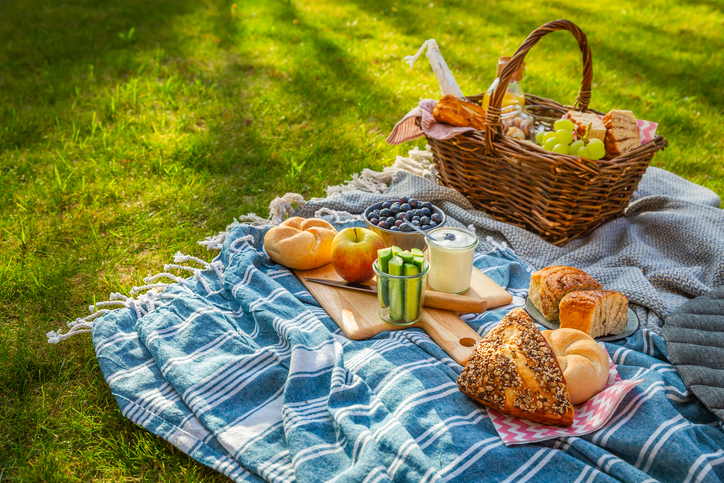
Texas parks offer numerous healthy eating options for your outdoor adventures. You'll find fresh citrus stands along the Rio Grande Valley's Highway 83 from roughly November to March, while many parks feature picnic areas with grills for preparing your own meals.
Pack pre-cut ingredients to minimize cleanup, and consider seasonal produce like spring berries or fall squashes. Don't miss the German-inspired foods near Hill Country trails or seafood options at coastal parks. The perfect trail-to-table experience awaits.
The Rio Grande Valley's Citrus Trail: Fresh Fruit Stands Near Parks
While exploring the parks and trails of the Rio Grande Valley, you'll discover a unique landscape where outdoor recreation seamlessly blends with the region's rich citrus heritage. Along U.S. Highway 83, numerous family-operated orchards like Triple J Organics and Thompson's Rio Pride Orchards offer fresh oranges, Rio Red grapefruit, and Mandarin limes from November through March. The region's distinctive ruby-red grapefruits were first discovered here in 1929, setting it apart from other citrus-growing regions.
Visit Bentsen-Rio Grande Valley State Park in Mission, where hiking trails lead you through native woodlands just a short drive from working citrus groves. For a deeper connection, explore nearby conservation tracts that protect native thorn-scrub habitats featuring barreta (Helietta parvifolia), a drought-tolerant shrub in the citrus family found along the Rio Grande.
Many orchards offer educational citrus tours where you'll learn about cultivation practices while sampling freshly picked fruit. This combination of outdoor activity and access to locally grown produce creates a uniquely invigorating South Texas experience.
Planning Healthy Park Meals: What to Pack and Where to Shop
Planning nutritious meals for your Texas park adventure requires thoughtful preparation that begins well before you hit the trails. Pre-cutting ingredients at home saves time and minimizes campsite cleanup. Pack biodegradable supplies and versatile cookware like cast-iron skillets for cooking areas with grills.
For hiking snacks, combine trail mix, nuts, and energy bars with fresh fruits for portable nutrition. When shopping, H-E-B offers camping-friendly foods, while farmers' markets near parks provide local, seasonal produce. Texas Outdoor Family workshops from Texas Parks & Wildlife supply all basic camping and cooking equipment for participants in their guided overnight programs, making it easier for beginners to cook healthy meals outdoors. Specialty stores stock organic ingredients suitable for dietary restrictions.
Remember food safety by keeping perishables in insulated coolers with ice. Build balanced meals with proteins, whole grains, and fresh vegetables to sustain energy throughout your outdoor activities. Always follow park regulations for waste disposal to preserve Texas ecosystems.
Local Food Pairings That Enhance Your Texas Park Experience
Four distinctive regional food pairings can transform your Texas park experience from ordinary to extraordinary. When planning your next outdoor adventure, consider these authentic combinations that celebrate Texas flavors while complementing your activities:
- Rio Grande Valley citrus with birdwatching – Fresh oranges and grapefruit from farm stand finds near Bentsen-Rio Grande Valley State Park provide invigorating hydration during wildlife observation.
- Coffee and biscotti for morning trail hikes – Perfect for cooler-weather explorations while watching the sunrise.
- Regional chips and salsa for gourmet picnics – An easy, portable snack that captures authentic Texas flavors.
- Local freshwater fish from park lakes – Create a direct culinary connection to your environment at places like Brazos Bend State Park, which offers fishing in multiple lakes.
- German-inspired bratwurst for hiking adventures – Enjoy authentic sausages from Fredericksburg while exploring the majestic Enchanted Rock and surrounding Hill Country trails.
Limited On-Site Dining: Parks With Meal Services
Unlike private campgrounds or resorts, only some Texas state parks offer more robust group dining facilities when you're looking to avoid cooking solely over a campfire. Group dining halls typically accommodate around 40–100 people and include kitchen areas with stoves, ovens, refrigerators, and sinks, though you'll usually need to bring your own cookware and utensils.
You'll need to reserve these spaces in advance, with fees ranging from roughly $50–$450 depending on facility size and location, plus any required refundable cleaning deposits. Most parks still require daily entrance fees unless you have a Texas State Parks Pass.
The outdoor meal spaces often feature covered picnic areas, BBQ pits, and grills for additional cooking options. Many facilities offer climate control with heating, air conditioning, and ceiling fans to help guarantee your group dining experience is comfortable year-round.
Seasonal Produce Guide for Texas Park Visitors
When visiting Texas parks throughout the year, you'll find an abundance of seasonal produce that can enhance your outdoor dining experience. Texas offers diverse fruits and vegetables across all seasons, from spring's leafy greens and strawberries to summer's hydrating melons and tomatoes. In late fall and early winter, visitors can enjoy nutritious Texas-grown citrus fruits that are packed with vitamin C.
- Spring: Pack asparagus, early peaches, and berries in breathable containers with seasonal storage tips like keeping stems moist with damp paper towels.
- Summer: Enjoy water-rich produce like melons, cucumbers, and tomatoes; store them uncut until ready to use.
- Fall: Bring hearty squashes, sweet potatoes, and apples that travel well and require minimal prep in camp.
- Year-round options: Rely on mushrooms, onions, and hardy herbs, which remain available during most seasons for flavorful trail meals.
Accessibility and Dietary Accommodations in State Parks
Texas state parks offer accessibility features and flexible setups for visitors with diverse dietary needs, helping everyone enjoy nutritious meals while exploring the outdoors. Many campsites feature accessible picnic tables, grills, and shelter areas that accommodate various cooking styles and requirements.
If you're managing dietary restrictions, you'll find campsites with electric hookups perfect for adaptive cooking equipment like slow cookers or specialized appliances. Screened shelters and cabins provide more controlled environments for those needing particular food preparation conditions.
While wood gathering is prohibited in state parks to protect ecosystems and prevent the spread of pests, most parks permit containerized fuels and charcoal grills with lids. During burn bans, plan accordingly—many parks still allow propane stoves even when wood and charcoal fires are restricted.
Park rangers can guide you on campsite cooking setups and current fire restrictions, ensuring your outdoor dining experience remains both safe and satisfying.
Coastal Park Dining: Fresh Seafood and Fishing Opportunities
Along the stunning Texas coastline, fresh seafood creates a culinary experience unlike any other for park visitors and outdoor enthusiasts. The coastal dining atmosphere blends influences from Louisiana Creole, Southwest, and Mexican traditions while highlighting seafood sustainability through seasonal fishing practices.
You'll discover unique dining options throughout Texas coastal areas:
- Bring your fresh catch to select coastal restaurants that offer “cook-your-catch” service, where they'll prepare your legally harvested fish for a flat fee with sides.
- Sample Gulf shrimp prepared fried, blackened, or grilled at family-friendly waterfront establishments.
- Enjoy regional specialties from Galveston Bay oysters to Mexican-style ceviche at local restaurants along the coast.
- Fish directly from coastal parks and piers for species like redfish, speckled trout, and flounder, then enjoy your sustainable harvest at adjacent picnic areas (always follow size and bag limits set by Texas Parks & Wildlife).
Many Texas coastal restaurants serve oysters in various styles, from on the half shell to baked preparations, for those seeking authentic Gulf flavors.
Meal Prep Services and Healthy Options Near Popular Parks
Planning nutritious meals for your outdoor adventures requires thoughtful preparation, as most Texas state parks don't provide on-site restaurant-style meal services. While Big Bend Ranch State Park’s Sauceda lodge no longer offers regular meal service, you'll find plenty of on-site preparation facilities like grills, fire rings where permitted, and picnic tables throughout the park system.
Group facilities, such as Cleburne State Park's barracks or dining halls at other parks, offer kitchen spaces with ovens and refrigerators for self-catering large gatherings, though users typically bring their own utensils and cookware. For individual campers, Texas-based companies like PackIt Gourmet provide dehydrated or shelf-stable meals requiring minimal preparation, designed specifically for backpacking and camping.
Though nearby meal delivery options are limited within park boundaries, you can prepare healthy meals using locally sourced ingredients from markets in surrounding towns. Focus on fresh vegetables, lean proteins, and whole grains that you can easily grill or roast using the available cooking facilities.
Combining Regional Cuisine With Outdoor Adventures
Six distinct culinary traditions merge with outdoor adventures across the Lone Star State, creating a uniquely Texan experience for park visitors. You'll discover how regional dishes like mesquite-grilled fajitas and Dutch-oven camp meals complement hiking trails and fishing spots in the Hill Country and beyond.
The cooking traditions of cowboy cuisine developed perfectly for outdoor adventures, with open-fire techniques that translate well to modern camping experiences. Seasonal native-plant walks at parks such as Pedernales Falls State Park introduce you to the same wild ingredients that inspire local chefs and foragers. Some parks and partner groups host special programs focused on traditional uses of native plants, food history, or outdoor cooking skills.
Look for ranger-led demonstrations and special events that showcase campfire recipes like cowboy coffee, Dutch-oven cobblers, or chili after a day of hiking or paddling. Community events and potlucks near parks—where Tex-Mex, German-influenced fare, and BBQ share the table—highlight how multiple historical influences shaped Texas outdoor dining culture.
Related posts